

Why Foot Health Is Critical for People with Diabetes
Diabetes affects the feet in ways that make proper footwear more important than for almost any other condition. Two key complications — peripheral neuropathy and peripheral artery disease — can dramatically change how the feet experience pressure, pain, and injury.
Peripheral neuropathy causes nerve damage that reduces sensation in the feet. This means a person with diabetes may not feel a blister, a cut, or a pressure sore forming — and what starts as a minor irritation can become a serious wound if left undetected.
Peripheral artery disease reduces blood flow to the feet, slowing healing and increasing the risk that even minor wounds become serious infections.
For people with diabetes, the right shoes aren't just about comfort — they're about preventing complications that can have serious health consequences.
What to Look for in Shoes for Diabetic Feet
1. Extra Depth and Volume
Diabetic feet often have reduced sensation, which means pressure points can form without the person realizing it. Extra depth in the shoe reduces pressure on the top of the foot and toes, and provides room for custom orthotics if prescribed by a podiatrist.
2. Wide, Roomy Toe Box
Toe compression is dangerous for diabetic feet. A wide toe box prevents pressure on the toes and reduces the risk of blisters and sores. Essential for anyone with bunions or toe deformities. Also see our guide on best shoes for wide feet.
3. Seamless or Minimal-Seam Interior
Interior seams can rub against insensate skin and create wounds that go unnoticed. Look for shoes with smooth, seamless interiors or minimal stitching inside the shoe.
4. Cushioned, Shock-Absorbing Sole
Reduced sensation means reduced natural feedback about impact. A well-cushioned sole — ideally with EVA foam — compensates by absorbing the shock that the foot can no longer fully perceive.
5. Adjustable Closure
Feet can swell with diabetic complications. Adjustable closures — laces, velcro, or straps — allow the fit to be customized as foot volume changes throughout the day.
6. Non-Slip Sole
Reduced sensation can affect balance and proprioception. A non-slip sole reduces the risk of falls, which can be particularly dangerous for people with diabetes.
7. Breathable Materials
Good circulation and moisture management are important for diabetic foot health. Breathable uppers help keep the foot dry and reduce the risk of fungal infections.
The Best Sootheez Shoes for Diabetic Feet
Premium EVA Orthopedic Clogs – Cushioned Wide Fit
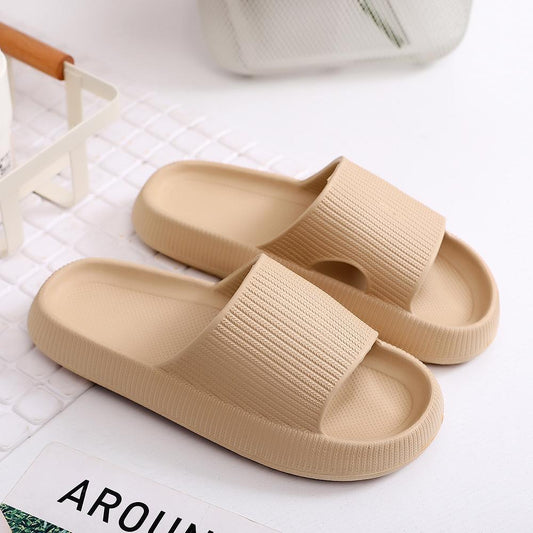
Our wide-fit EVA clogs tick many of the key boxes for diabetic footwear: a roomy toe box that eliminates compression, a cushioned EVA sole that absorbs impact, and a smooth interior that minimizes friction. The slip-on design is also practical for people who have difficulty bending to tie laces. Read our guide on how to choose the right orthopedic clog.
FlexSlip Orthopedic Slip-On Sneaker
The FlexSlip's flexible upper accommodates foot swelling and its orthopedic footbed provides the arch support and cushioning that diabetic feet need. The slip-on design eliminates the need to bend and tie laces — a practical advantage for people with limited mobility or neuropathy.
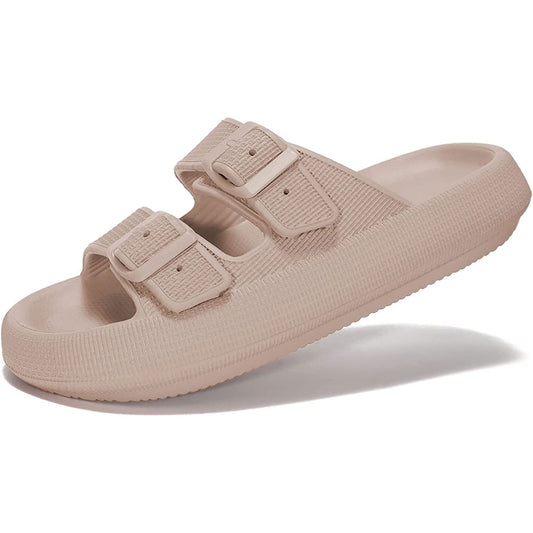
Adjustable Comfort Sootheez Sandals
For warmer weather, our adjustable sandals allow precise fit customization to accommodate swelling and changing foot volume. The open design also allows for easy visual inspection of the feet — important for diabetic foot monitoring.
Important: Always Consult Your Healthcare Provider
While the footwear recommendations above are based on established diabetic foot care principles, every person with diabetes has unique needs. Always consult your podiatrist or healthcare provider for personalized footwear recommendations, especially if you have existing foot complications, neuropathy, or a history of foot wounds.
Some people with diabetes may qualify for Medicare or insurance coverage for therapeutic footwear — ask your healthcare provider about the Therapeutic Shoe Bill (Medicare Part B) if you're in the US.
Daily Foot Care Tips for People with Diabetes
- Inspect your feet daily — look for blisters, cuts, redness, or swelling that you may not have felt
- Never go barefoot — even indoors, always wear protective footwear
- Keep feet clean and moisturized — but avoid moisturizer between the toes where fungal infections can develop
- Trim toenails carefully — straight across, not too short, to prevent ingrown nails
- Replace shoes regularly — worn-out cushioning increases pressure points
Final Thoughts
For people with diabetes, footwear is a health decision as much as a comfort one. The right shoes — with proper cushioning, a roomy toe box, and a smooth interior — can prevent the pressure points, blisters, and wounds that lead to serious complications.
Explore the Sootheez collection and find footwear that protects and supports your feet every day. And for more foot health guidance, read our article on orthopedic shoes vs. regular shoes.