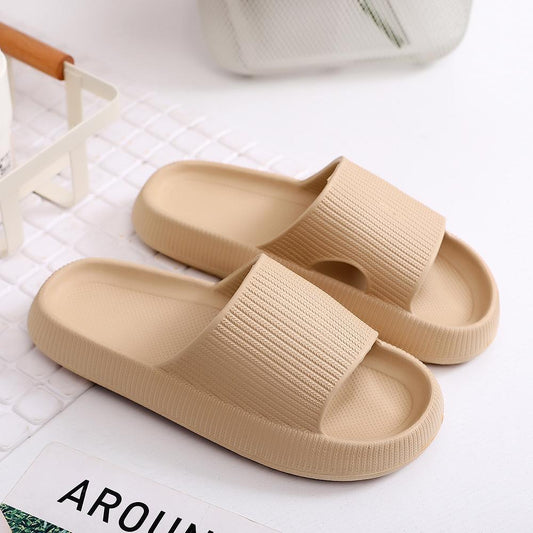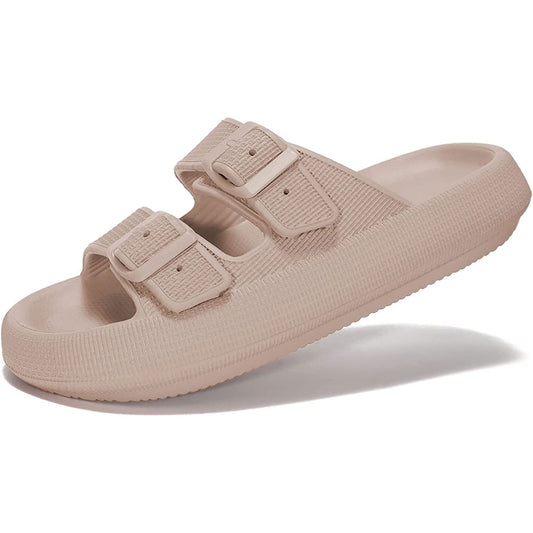


Non-slip work shoes are designed to improve traction on surfaces where water, oil, food, cleaning products, or other contaminants may be present. They can be useful in healthcare, restaurants, hospitality, retail, cleaning, and other active jobs—but the words non-slip alone do not guarantee performance.
The right pair should match the floor, hazards, job duties, and employer requirements while fitting securely enough for a full workday.
What are non-slip work shoes?
Non-slip and slip-resistant are common retail terms for footwear made with outsole compounds and tread patterns intended to provide traction. Performance can vary by surface and contaminant. The U.S. Occupational Safety and Health Administration recommends sturdy, slip-resistant footwear for relevant restaurant work, but footwear is only one part of preventing slips.
Floor cleaning, spill response, warning signs, lighting, and safe work practices still matter. Even high-performing slip-resistant shoes cannot make every surface safe.
How to choose non-slip shoes for work
1. Match the outsole to the workplace
Ask what causes slippery conditions at your job: water, grease, soap, powder, or frequent transitions between wet and dry flooring. Choose footwear intended for that environment and follow any employer-approved footwear list.
2. Look for useful tread
Channels in the tread can help move liquid away from the contact surface. Closely packed or worn tread can hold debris and lose effectiveness, so the outsole must also be easy to inspect and clean.
3. Check the fit while moving
Your heel should stay secure during turns, and the toes should not hit the front when stopping. Walk, pivot, and use stairs on a clean indoor surface before wearing the shoes at work.
4. Confirm coverage requirements
Some jobs require closed toes, closed heels, water-resistant uppers, puncture protection, or safety-toe certification. Slip resistance does not replace these protections.
5. Balance cushioning and stability
Cushioning may improve comfort on hard floors, but a very soft or tall sole can feel unstable. Choose a platform that feels controlled during quick direction changes.
6. Consider cleanability
Smooth uppers may be easier to wipe, while fabric can retain moisture or stains. Follow the manufacturer's cleaning directions because harsh products can damage materials or outsole performance.
Non-slip work shoes for women and men
The same performance principles apply regardless of labeling. Pay attention to actual foot length, width, heel shape, and workplace needs. Men's and women's standard widths may differ, and unisex sizing may be based on one sizing system.
If you need a roomy shape, compare width measurements rather than simply sizing up. A longer shoe may still be unstable even when it feels wider.
Slip-on non-slip work shoes and clogs
Slip-on designs are convenient, but they must stay attached during normal work movements. A heel strap or secure upper can improve retention. Fully backless footwear may not be permitted in jobs requiring fast movement or full coverage.
Browse Sootheez clogs and compare the listed outsole, fit, and cleaning details with your employer's requirements. Do not assume a casual clog meets a formal occupational standard unless the product documentation says so.
How to maintain slip-resistant footwear
- Inspect the tread before each shift.
- Remove grease, stones, and debris from outsole channels.
- Let wet shoes dry according to the care instructions.
- Replace footwear when tread is smooth, damaged, or uneven.
- Do not use a worn work shoe simply because the upper still looks good.
Common mistakes
- Buying based only on the phrase “non-slip.”
- Ignoring the specific floor and contaminant.
- Choosing a loose size to gain width.
- Assuming cushioning and traction are the same feature.
- Wearing open footwear where closed protection is required.
- Allowing tread to fill with debris.
Frequently asked questions
Are non-slip and slip-resistant shoes the same?
The terms are often used interchangeably in retail. Compare actual testing information, outsole design, and employer requirements rather than relying on the wording alone.
How can I tell if shoes are slip-resistant?
Check the product specifications and any documented test method or workplace approval. Visual tread alone cannot confirm performance.
Do non-slip shoes prevent every fall?
No. They may reduce risk in appropriate conditions, but spills, worn tread, poor maintenance, and unsafe movement can still lead to a fall.
When should I replace non-slip work shoes?
Replace them when the tread is worn or damaged, the sole becomes uneven, or the upper no longer holds your foot securely.
This article provides general workplace-footwear information. Follow your employer's safety rules and required protective-equipment standards.